
When you pick up a prescription, you might not notice the difference between the brand-name pill and the generic one in your hand. But if it’s an authorized generic, you’re getting the exact same drug - made in the same factory, with the same ingredients - just in different packaging. That’s not a traditional generic. And if you don’t know how to spot it, you could miss out on savings or even get confused about what you’re taking.
What Exactly Is an Authorized Generic?
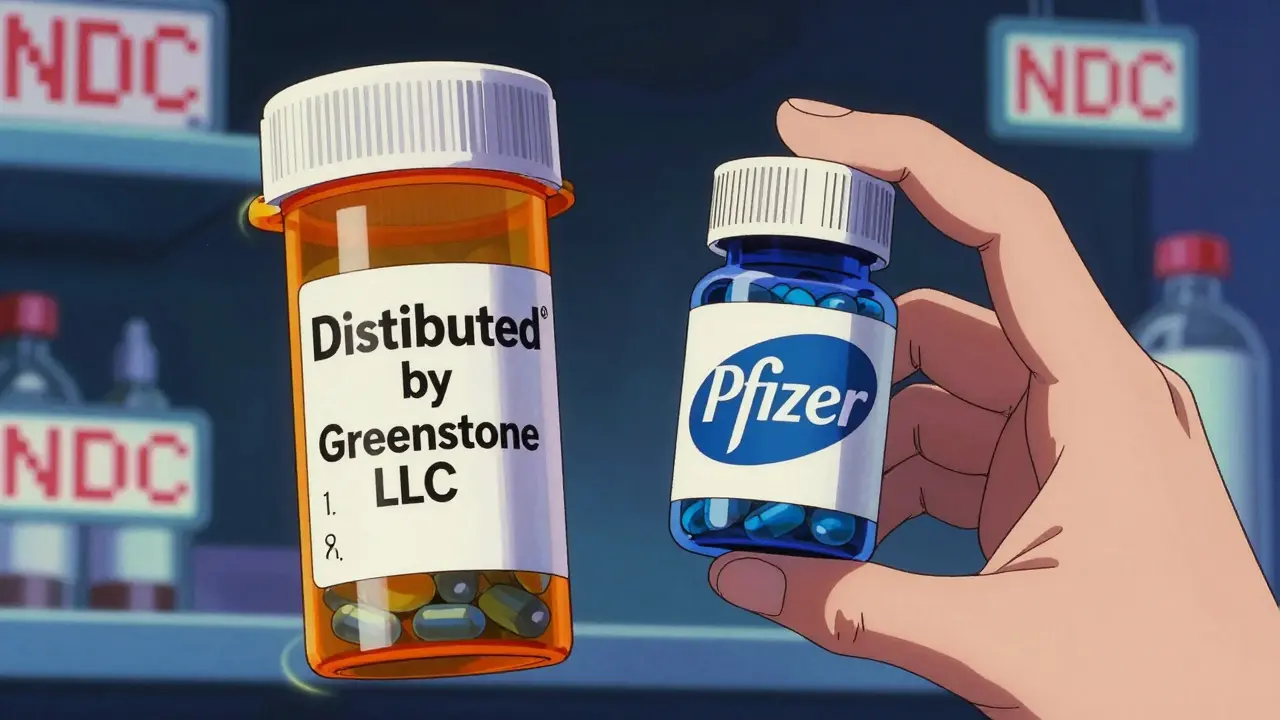
An authorized generic is a brand-name drug sold under a different label, but it’s not a copy. It’s the real thing, made by the original manufacturer. The FDA defines it as a drug approved under the original New Drug Application (NDA), meaning it’s identical in active ingredients, strength, dosage form, and even the manufacturing process to the brand-name version. The only differences? The packaging, the label, and the company name printed on it. For example, when Pfizer made an authorized generic of Lyrica (pregabalin), they didn’t create a new formula. They used the same capsules, same machine, same quality checks - just put them in a box with "Greenstone LLC" as the distributor instead of "Pfizer." The pill inside? Exactly the same. That’s why authorized generics are often more consistent than traditional generics, which may have different inactive ingredients or slight variations in how they’re made.Why Do Authorized Generics Exist?
They were created to keep prices low during the 180-day exclusivity period granted to the first generic company to challenge a brand-name patent. Instead of letting that one company corner the market and charge high prices, the brand-name company can launch its own generic version - an authorized generic - to compete with it. This drives down prices faster. It’s a win for consumers: you get the same drug at a lower cost. It’s a win for the brand: they keep some market share instead of losing it all. And it’s a win for the FDA: more competition means more affordable access.How to Spot an Authorized Generic by Packaging and Labeling
You don’t need a pharmacy degree to tell the difference. Here’s what to look for:- The manufacturer name is different. Look at the label. If it says "Manufactured by Pfizer," it’s the brand. If it says "Distributed by Greenstone LLC" or "Manufactured for [company name]," it’s likely an authorized generic. The actual factory is usually the same - but the distributor is a different entity.
- No brand name on the label. Authorized generics can’t use the brand’s trademarked name. So if you see "Lipitor" on the bottle, it’s the brand. If it says "atorvastatin calcium" and nothing else, it’s probably an authorized generic.
- The pill looks similar - but not identical. U.S. trademark laws prevent generics from looking exactly like the brand. So the color, shape, or imprint might be slightly different. But the active ingredient? Same. That’s why some patients report feeling no difference at all.
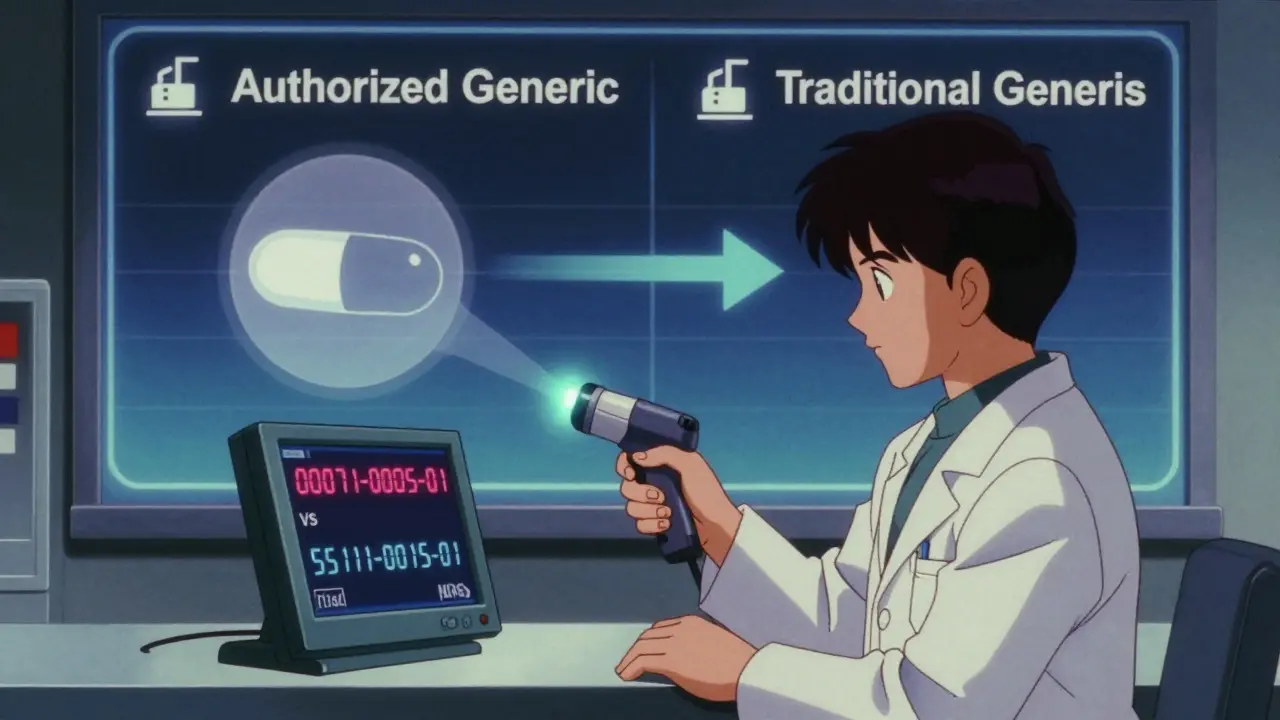
- Check the NDC number. The National Drug Code (NDC) has three parts: labeler code, product code, and package code. In an authorized generic, the labeler code (first set of numbers) changes, but the product and package codes stay the same as the brand. For example, Protonix (brand) has NDC 00071-0015-01. The authorized generic by Dr. Reddy’s is 55111-0015-01. Same drug, different distributor code.
- No marketing claims. Brand labels say things like "The #1 prescribed proton pump inhibitor." Authorized generics don’t. Their labels are plain, clinical, and focused only on safety and dosage.

Authorized Generic vs. Traditional Generic: The Key Differences
Many people think all generics are the same. They’re not.| Feature | Authorized Generic | Traditional Generic |
|---|---|---|
| Manufacturer | Same as brand-name maker | Separate generic company |
| Approval Pathway | Under original NDA | Abbreviated New Drug Application (ANDA) |
| Active Ingredients | Identical to brand | Same, but may differ in inactive ingredients |
| NDC Number | Same product/package code, different labeler code | Completely different NDC |
| Labeling Updates | Automatic, via brand’s NDA updates | Must be submitted separately within 30 days |
| Appears in FDA Orange Book? | No | Yes |
Where to Verify an Authorized Generic
The FDA publishes a Quarterly Authorized Generic List - updated every January, April, July, and October. As of October 2023, there were 147 active authorized generics on the list. You can search it by drug name or NDC number. Pharmacy systems like First Databank and Medi-Span also flag authorized generics in their databases. Most large pharmacy chains now have alerts in their dispensing software to show when a prescription is filled with an authorized generic. If you’re unsure, ask your pharmacist to check the NDC against the FDA list. It takes less than a minute.Common Mistakes and Misconceptions
Even pharmacists get confused. A 2021 survey found that 37% of pharmacists misidentified authorized generics as traditional generics. Why? Because the packaging looks too similar. Here are the most common errors:- Thinking "same pill, same name" means it’s the brand. But if the label says "Distributed by" and not "Manufactured by," it’s not.
- Confusing "authorized generic" with "authorized brand." The latter is a traditional generic with brand-like packaging - not the same thing.
- Assuming a different pill color means it’s inferior. It doesn’t. It’s just a trademark requirement.
- Believing the FDA doesn’t track them. They do - and they’re listed publicly.
Why This Matters to You
If you’re paying for prescriptions out of pocket, authorized generics can save you 20-40% compared to the brand. They’re cheaper than traditional generics too - because they’re made by the original company, they often undercut other generics on price. Patients who switched to authorized generics in a 2022 Medscape survey reported the same effectiveness and side effects as the brand. 92.6% said they noticed no difference. But confusion is real. Some patients worry when they see a different company name on the bottle. They think it’s fake. It’s not. It’s legal, regulated, and identical.What to Do Next
If you’re on a brand-name drug and want to save money:- Ask your pharmacist: "Is there an authorized generic for this?"
- Check the bottle: Look for "Distributed by" and no brand name.
- Compare the NDC number to the FDA’s list (available at fda.gov/drugs/drug-approvals-and-databases/authorized-generic-drugs).
- If it matches, you’re getting the same drug for less.
Frequently Asked Questions
Are authorized generics as safe as brand-name drugs?
Yes. Authorized generics are made in the same facility, with the same equipment, using the exact same formula as the brand-name drug. The FDA inspects these facilities just like they do for brand-name products. There’s no difference in safety, effectiveness, or quality.
Can I trust an authorized generic if the label looks different?
Absolutely. The label changes are required by law to avoid trademark infringement. The pill inside is identical. The only difference is the company name on the box - and that’s often a subsidiary of the original brand. Don’t let the packaging fool you.
Why isn’t the authorized generic listed in the FDA’s Orange Book?
The Orange Book only lists drugs approved under the ANDA pathway. Authorized generics are marketed under the original NDA, so they don’t appear there. That’s why you need to check the FDA’s separate Authorized Generic List instead.
Do authorized generics cost more than traditional generics?
Usually not. Authorized generics often cost 5-15% more than traditional generics, but they’re still 20-40% cheaper than the brand. Many patients choose them because they’re more consistent - same manufacturer, same formula, no guesswork.
How do I know if my pharmacy is giving me an authorized generic?
Check the label for the distributor name and NDC number. If the product and package codes match the brand but the labeler code is different, it’s an authorized generic. You can also ask your pharmacist to confirm using the FDA’s list or their pharmacy system. Most modern systems will flag it automatically.



Comments
Zoe Brooks
January 18, 2026I used to panic every time my pill looked different - until I learned about authorized generics. Now I check the label like it’s a treasure map. 🕵️♀️ Same pill, cheaper price? Sign me up. My wallet thanks me every month.
Wendy Claughton
January 20, 2026Okay, but let’s be real - why does the FDA make this so confusing? I spent 20 minutes last week Googling NDC codes while holding my pill bottle like a cryptic artifact. And then my pharmacist just shrugged and said, ‘It’s fine.’ 🤷♀️ Why can’t they just put a little ‘AUTHORIZED GENERIC’ stamp on the box?!
Stacey Marsengill
January 21, 2026They’re lying to you. Always. The ‘same factory’ thing? Maybe. But who’s really watching? Big Pharma doesn’t want you to know how easy it is to swap out inactive ingredients - even in ‘authorized’ versions. They’re just rebranding to keep you hooked. Don’t trust the label. Trust your body. And if you feel weird? Stop taking it. They don’t care if you’re sick - they care if you’re paying.
Aysha Siera
January 22, 2026Authorized generics are a trap. The FDA is owned by the same companies that make the brand names. They want you to think you’re saving money, but you’re just being fed the same drug in a cheaper box. Your insurance company knows this. They push these because they get kickbacks. Don’t fall for it. Check your bank account next month - it’s not saving you. It’s locking you in.
Selina Warren
January 22, 2026People are overcomplicating this. If the active ingredient matches and the manufacturer is the same, it’s the same damn drug. Stop treating pharmaceuticals like they’re magic potions. The color change? Trademark law. The label? Legal requirement. The price drop? Capitalism working. If you’re still scared, go back to paying $400 for a bottle of pills you don’t even need. I’ll take the generic - and the extra $300 I saved to buy my cat a new bed.
Robert Davis
January 23, 2026Actually, the NDC code comparison is only half the story. You also need to cross-reference the lot number with the manufacturer’s batch records - which, by the way, aren’t publicly accessible. And the FDA’s list? Updated quarterly - meaning you could be on a batch that’s been recalled but not yet removed from the list. I’ve seen it happen. Don’t rely on the system. Ask for the original manufacturer’s name on the pill imprint. That’s the only real indicator.
Eric Gebeke
January 25, 2026Wow. So we’re supposed to trust a company that just a few years ago got fined $2.3 billion for price-fixing? The same company that sued patients for using generics? Now they’re the hero because they slap a different label on the same capsule? Please. This isn’t transparency - it’s PR theater. The real solution? Single-payer. No more branded or generic nonsense. Just drugs. At cost. But no, we’d rather play detective with NDC codes while Big Pharma laughs all the way to the bank.
Jake Moore
January 26, 2026Just to clarify what everyone’s missing: authorized generics are the ONLY generics that automatically inherit the brand’s FDA safety updates. Traditional generics have to submit changes separately - and sometimes they don’t, for months. So if the brand gets a new warning about kidney risk? The authorized generic gets it the same day. The traditional one? Maybe next quarter. That’s not marketing - that’s regulatory integrity. And yeah, if you’re on a chronic med like blood pressure or thyroid, that’s a huge deal. Don’t dismiss it because the label looks boring. It’s actually the most reliable option out there.
Write a comment