
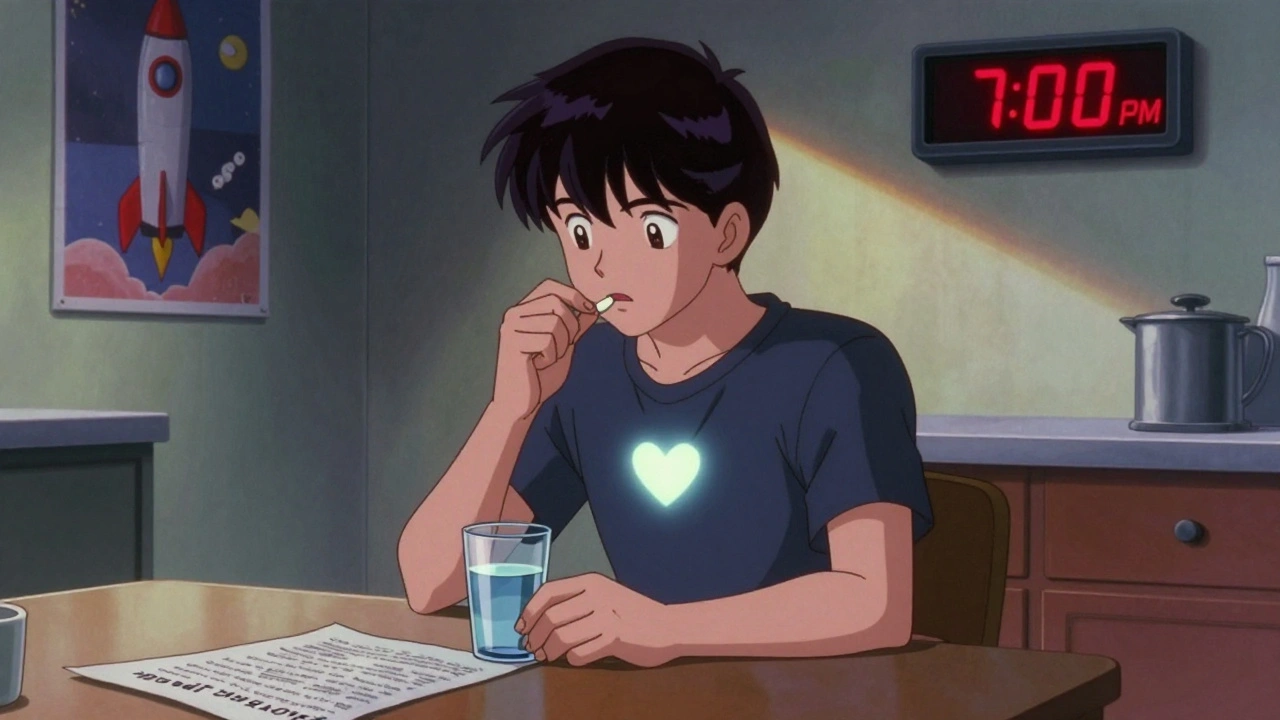
When a child or adult starts taking ADHD stimulants like Ritalin, Adderall, or Vyvanse, the goal is simple: focus improves, impulsivity drops, and daily life gets easier. But behind that relief is a quiet conversation many patients and parents don’t know they’re having - one about the heart and sleep. These medications aren’t harmless. They’re powerful stimulants that push the body’s nervous system into overdrive. And that drive comes with real, measurable risks - especially to the heart and sleep patterns.
How ADHD Stimulants Affect the Heart
ADHD stimulants work by boosting dopamine and norepinephrine in the brain. That’s what helps with attention. But those same chemicals also hit the heart. Every time you take a dose, your heart rate and blood pressure go up - just a little. But over time, that little bit adds up.
A 2025 study from the University of Southampton, the largest of its kind, tracked heart changes in thousands of people using ADHD medications. It found that on average, systolic blood pressure rose by 1 to 4 mmHg. Heart rate increased by 1 to 2 beats per minute. Those numbers sound small. But in medicine, small changes can matter. A 10-beat-per-minute rise in heart rate is linked to a 20% higher chance of cardiac death. The stimulants used for ADHD can push you into that range.
And it’s not just about immediate spikes. Long-term use carries its own risks. A 14-year study published in JAMA Psychiatry found people who took stimulants for ADHD had a 17% higher risk of developing cardiovascular disease - especially high blood pressure and artery problems. The risk climbed the longer they took the medication, especially in the first three years. Another 2024 study from the American College of Cardiology showed that young adults on stimulants were 17% more likely to develop cardiomyopathy after one year - and 57% more likely after eight years.
These aren’t common events. The absolute risk is still low. But they’re real. And they’re dose-dependent. Higher doses = higher risk. That’s why doctors now avoid starting with big doses. Instead, they begin low - often with 5 mg of methylphenidate - and slowly increase, watching how the body reacts.
Stimulants vs. Non-Stimulants: What’s the Difference?
Many assume only stimulants affect the heart. That’s a myth. The same University of Southampton study found that non-stimulant ADHD medications like atomoxetine and viloxazine caused similar increases in blood pressure and heart rate. Even though they don’t directly stimulate the nervous system, they still push the cardiovascular system in the same direction.
The one exception? Guanfacine. This non-stimulant actually lowers both heart rate and blood pressure. That’s why it’s often chosen for patients with pre-existing high blood pressure or heart rhythm issues.
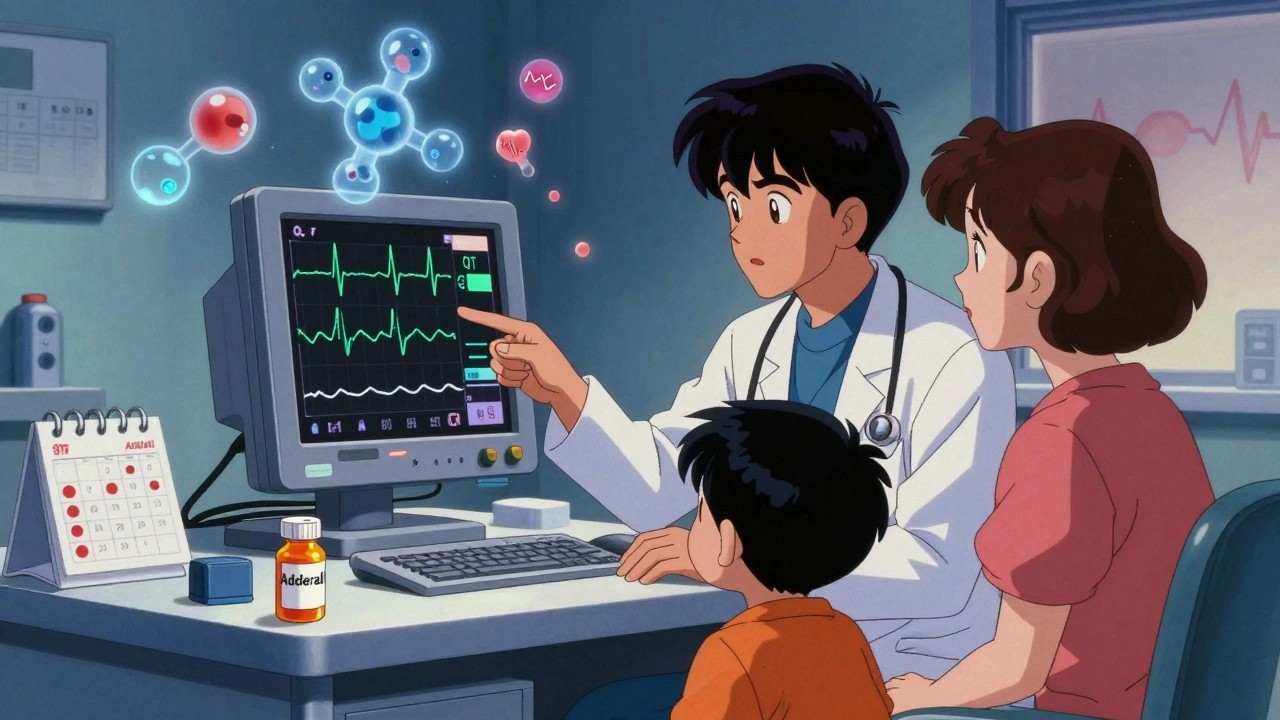
When it comes to heart rhythm, things get more complicated. Some ADHD meds can prolong the QT interval - a measurement on an ECG that shows how long the heart takes to recharge between beats. A prolonged QT interval can lead to dangerous arrhythmias, like torsades de pointes. The FDA lists many ADHD medications as having “conditional risk” for people with Long QT Syndrome. That doesn’t mean they’re banned - it means you need a cardiologist’s approval first.
One study of 48 children with congenital Long QT Syndrome found stimulants increased fainting episodes. Another study of 28 kids with the same condition found no serious events during five years of treatment. The data is mixed. That’s why guidelines now say: don’t screen everyone. But do ask questions.
Who Needs Extra Monitoring?
You don’t need an ECG before starting ADHD meds - unless you have a reason to. The American Academy of Pediatrics says routine heart tests aren’t necessary for most kids. The American Heart Association used to push for them after a few sudden deaths were reported in 2006, but they’ve since backed off. Why? Because the evidence shows the risk is tiny for healthy people.
But if you or your child have any of these, you need a deeper look:
- Family history of sudden cardiac death before age 40
- Personal history of heart murmurs, chest pain, or fainting during exercise
- Known heart condition, like cardiomyopathy or arrhythmia
- Already diagnosed with Long QT Syndrome or other electrical heart problems
- High blood pressure that’s not controlled
For these people, a baseline ECG and follow-up with a cardiologist make sense. Even if the ECG looks normal, symptoms matter more than numbers. If someone says they get dizzy when they stand up or feel their heart racing after taking their pill, that’s a red flag - no matter what the machine says.
Sleep Problems: The Hidden Cost of Focus
Stimulants help you focus during the day. But they don’t turn off when the sun goes down. That’s why sleep issues are one of the most common complaints - and one of the least discussed.
Between 30% and 50% of people starting stimulants report trouble falling asleep. It’s not just being wired. The medication can delay your body’s natural sleep signal by 15 to 30 minutes on average. That might not sound like much, but for a child who needs 10 hours of sleep, losing even 20 minutes every night adds up. Over weeks, it becomes chronic sleep debt - which makes ADHD symptoms worse. It’s a vicious cycle.
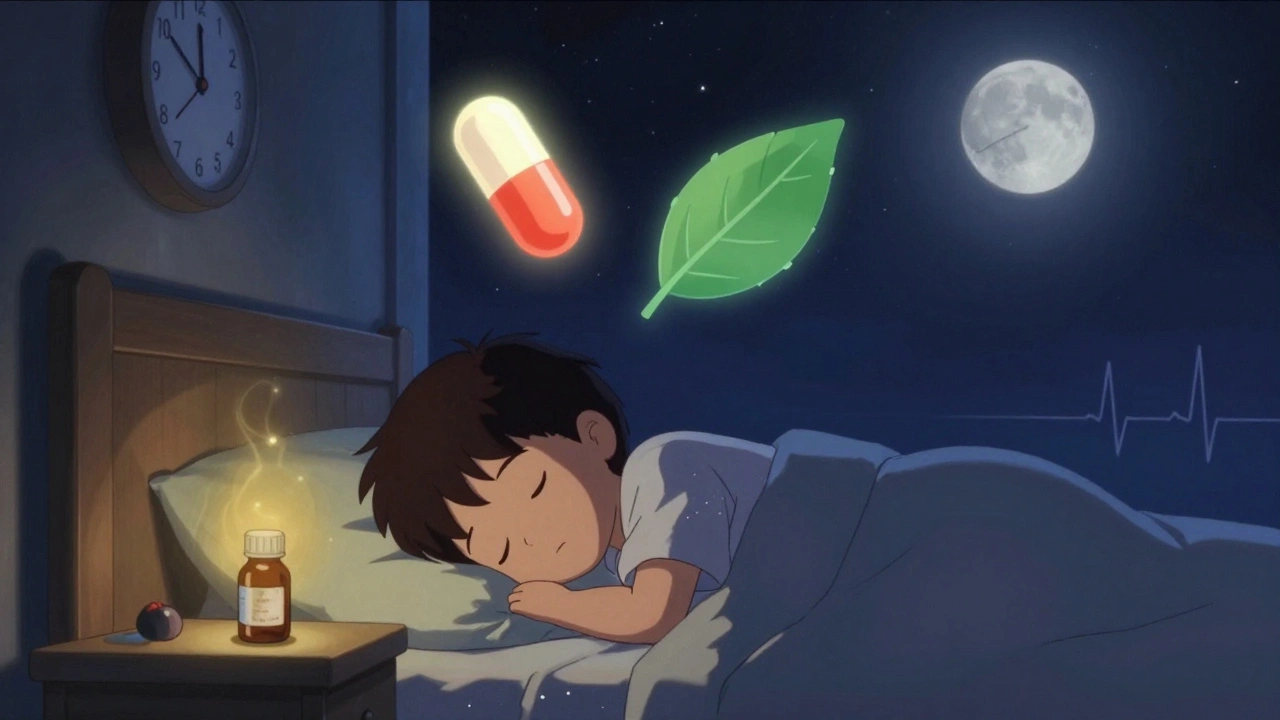
Extended-release pills make this worse. If you take a 12-hour pill at 7 a.m., the drug can still be active at 7 p.m. - right when you’re trying to wind down. That’s why some families switch to short-acting versions taken earlier in the day. Others use a low dose of melatonin - 0.5 to 5 mg - about an hour before bed. It doesn’t knock you out. It just helps your body know it’s time to sleep.
Non-stimulants like atomoxetine can cause tiredness at first, but they rarely cause insomnia. Guanfacine? It often helps with sleep - especially in kids who have trouble calming down at night. That’s why some doctors prescribe it as a sleep aid, even if the main ADHD symptoms are still being managed.
What You Can Do: Practical Steps for Safer Use
Stimulants work. They change lives. But they’re not risk-free. Here’s how to use them safely:
- Start low, go slow. Begin with the lowest effective dose. Wait a week before increasing. Watch for changes in heart rate or sleep.
- Take it early. Don’t take stimulants after lunch. Even extended-release versions can linger. Aim to take the last dose by 1 p.m. if possible.
- Track your numbers. Get your blood pressure and heart rate checked before starting, then every 3 to 6 months. Write them down. Bring them to appointments.
- Watch for symptoms. If you or your child get chest pain, dizziness, fainting, or palpitations - stop the medication and call your doctor. Don’t wait.
- Consider alternatives. If sleep or heart issues persist, talk about non-stimulants. Guanfacine, atomoxetine, or viloxazine can be just as effective for many people - without the same cardiovascular push.
And if you’re worried about long-term heart health? Get active. Exercise improves heart function, lowers blood pressure, and can even reduce ADHD symptoms. A 30-minute walk every day is one of the best things you can do alongside medication.
The Big Picture: Risk vs. Reward
Let’s be clear: untreated ADHD has its own dangers. Poor grades, job loss, car accidents, substance abuse, depression - these are real risks. A Harvard Medical School doctor put it plainly in JAMA: the number of people you’d need to treat with stimulants to cause one serious heart event is over 1,000. But the number of people who benefit from better focus, better grades, better relationships? That’s in the millions.
The goal isn’t to avoid stimulants. It’s to use them wisely. With proper monitoring, low doses, and smart timing, the risks stay small. The benefits stay big. For most people, the scales tip heavily toward treatment.
But you need to be part of the decision. Ask questions. Track symptoms. Don’t assume side effects will go away on their own. And if something feels off - trust that feeling. Your heart and sleep matter just as much as your focus.
Do ADHD stimulants cause heart attacks?
Heart attacks from ADHD stimulants are extremely rare. Studies show a small increase in cardiovascular risk over time, especially with long-term use and higher doses, but the absolute risk remains very low. Most cases involve people with pre-existing heart conditions or genetic risks. For healthy individuals, the chance of a heart attack directly caused by stimulants is less than 1 in 10,000 per year.
Can ADHD meds cause insomnia permanently?
No, insomnia from ADHD stimulants is usually temporary. Most people adjust within a few weeks as their body gets used to the medication. If sleep problems last longer than 4-6 weeks, it’s likely due to timing (taking the dose too late) or dose size. Switching to an earlier dose, lowering the amount, or adding melatonin often fixes it. In rare cases, switching to a non-stimulant medication may be needed.
Is it safe to take ADHD meds if I have high blood pressure?
It can be - but it requires careful management. Stimulants can raise blood pressure further, so your doctor will likely start with a very low dose and monitor you closely. Some patients need to take blood pressure medication alongside their ADHD treatment. Non-stimulants like guanfacine are often preferred in these cases because they lower blood pressure instead of raising it.
Should I get an ECG before starting ADHD medication?
Routine ECGs are not recommended for most people. The American Academy of Pediatrics and the American Academy of Neurology agree that screening everyone isn’t necessary. But if you have a family history of sudden cardiac death, fainting spells, heart murmurs, or known heart rhythm issues, an ECG and cardiology consultation are advised. Your doctor will decide based on your personal and family history.
Are non-stimulant ADHD meds safer for the heart?
Not necessarily. Atomoxetine and viloxazine can raise blood pressure and heart rate just like stimulants. Guanfacine is the exception - it lowers both. So if heart health is your main concern, guanfacine might be the safest option. But if you need stronger symptom control, stimulants may still be the better choice - as long as you’re monitored. The key is not avoiding stimulants, but choosing the right medication for your body.
What Comes Next?
If you’re on ADHD medication and haven’t checked your blood pressure in the last six months, schedule it now. If your child has trouble sleeping and you’ve been told it’s “just part of the medication,” ask if the timing or dose could be adjusted. Don’t accept side effects as normal - especially when they affect your heart or sleep.
The science has evolved. We know more now than we did five years ago. We know the risks are real but small. We know how to manage them. And we know that for most people, the benefits far outweigh the dangers - if you’re paying attention.




Comments
Eddie Bennett
December 12, 2025Man, I’ve been on Vyvanse for 6 years and never thought about how it’s slowly creeping up my BP. My doc just said ‘it’s fine’ and moved on. Guess I’ll book a checkup this week. Thanks for laying it out like this - didn’t realize how sneaky the long-term stuff can be.
Sylvia Frenzel
December 12, 2025So now we’re supposed to fear every pill that helps us function? Next they’ll ban caffeine because it raises heart rate. Wake up. People with ADHD aren’t weak. We don’t need to be coddled with ECGs and melatonin schedules just because Big Pharma wants to scare us into compliance.
Paul Dixon
December 14, 2025My kid’s on guanfacine now and honestly? Best decision we made. Sleep improved, no more 3 a.m. panic heartbeats, and he’s still getting his work done. Didn’t need the stimulant rollercoaster. Sometimes the quiet meds are the real MVPs.
Vivian Amadi
December 14, 2025You’re telling me a 4 mmHg rise is dangerous? My coffee does that. My stress does that. My damn alarm clock does that. This is medical fearmongering wrapped in a study. If your kid’s on stimulants and you’re not monitoring sleep, you’re not parenting - you’re just handing out pills like candy.
Jimmy Kärnfeldt
December 15, 2025It’s not about avoiding meds. It’s about respecting your body enough to pay attention. I used to think ‘side effects’ meant ‘deal with it.’ Then I started tracking my heart rate after my 8 a.m. dose - saw it spike to 112 every time. Changed to 1 p.m. dosing, added a walk after lunch, and now I sleep like a baby. The science didn’t change. I just started listening.
Medication isn’t magic. It’s a tool. And tools need care. You wouldn’t run a car on dirty oil and blame the engine. Same here.
Ariel Nichole
December 16, 2025Just wanted to say I appreciate how balanced this is. I’ve been on Adderall for 8 years and was terrified to ask my doc about sleep issues. Turns out, dropping my last dose to 12 p.m. and taking 1mg melatonin fixed 90% of it. No guilt, no shame. Just smart adjustments.
john damon
December 17, 2025bro i took adderall for 5 years and my heart felt like it was gonna explode but i just drank more water and it was fine 😎🔥
matthew dendle
December 18, 2025so you're telling me if i take a pill that makes me focus better i might get a slightly higher bp? wow. next you'll tell me running stairs is bad for your heart. i'm gonna go tell my 14 year old who got straight A's on stimulants to stop being a wimp and just deal with it. also why is everyone so scared of a little science? 🤷♂️
Write a comment