
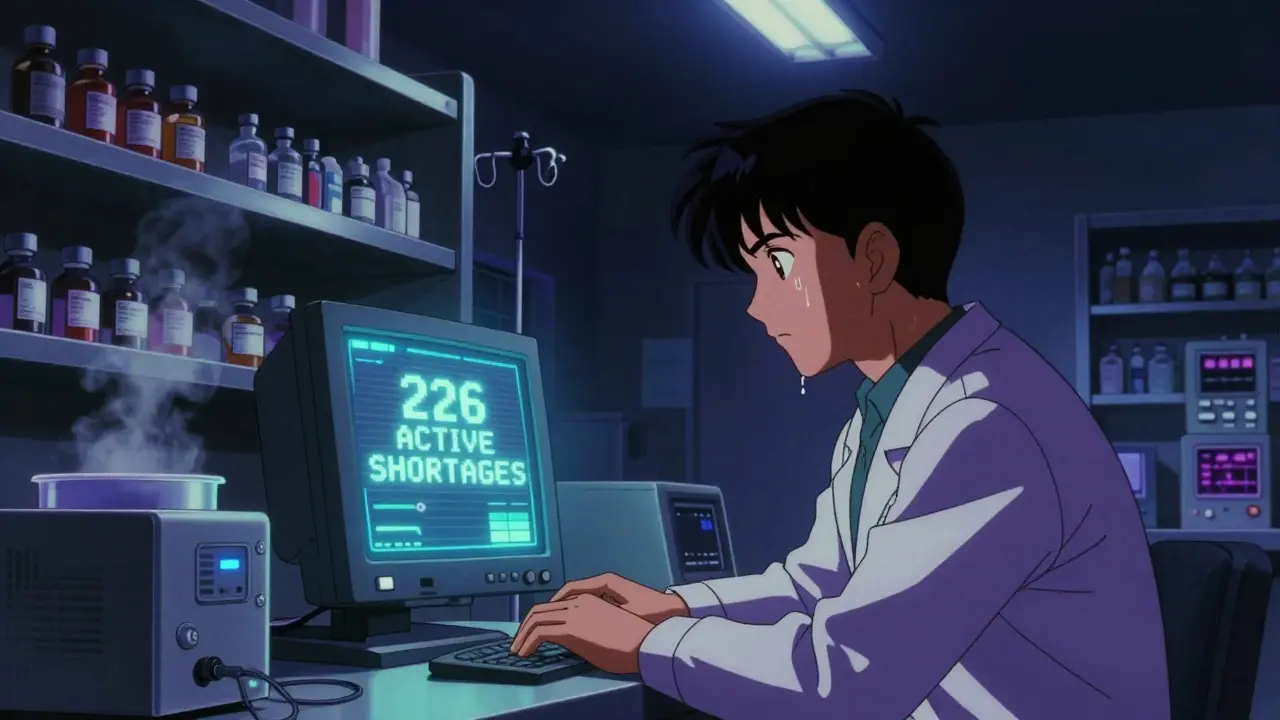
When a patient needs an IV antibiotic, a life-saving chemotherapy drug, or even just normal saline to stay hydrated, they expect it to be there. But for hospital pharmacies across the U.S., that expectation is becoming harder to meet. As of July 2025, there were still 226 active drug shortages in the country-down slightly from earlier in the year, but far from resolved. And the hardest hit? Hospital pharmacies. They’re not just feeling the pinch. They’re drowning in it.
Why Injectables Are the Weakest Link
Not all medications are created equal when it comes to supply chain fragility. Injectable drugs-especially sterile ones-are uniquely vulnerable. They require aseptic manufacturing environments, where even the tiniest contamination can shut down an entire production line. These drugs can’t be packaged in pill bottles or blister packs. They need clean rooms, trained technicians, and complex quality checks. That makes them expensive and slow to produce. And here’s the kicker: they make up about 60% of all current drug shortages. That’s not a coincidence. The average shortage for a sterile injectable lasts 4.6 years. Compare that to the 3+ years for other drugs. Why? Because manufacturers don’t make much money on them. Most generic sterile injectables operate on profit margins of just 3% to 5%. When a factory in India gets shut down by an FDA inspection, or a tornado hits a plant in North Carolina, there’s little financial incentive to rebuild fast-or even at all. Eighty percent of the active pharmaceutical ingredients (APIs) used in these injectables come from just two countries: China and India. That means a single weather event, political shift, or regulatory crackdown overseas can ripple across every hospital in America. In February 2024, a quality issue at a major Indian facility halted production of cisplatin, a key chemotherapy drug. Within weeks, oncology units were scrambling. Patients had to delay treatment. Some were switched to less effective alternatives.Hospital Pharmacies vs. Retail Pharmacies: A Stark Difference
Think about your local pharmacy. If they run out of a common antibiotic, they can call a distributor, wait a day or two, or maybe suggest an oral version. It’s inconvenient, but rarely life-threatening. Hospital pharmacies don’t have that luxury. About 35% to 40% of their essential inventory is affected by shortages-nearly double the rate of retail pharmacies. And nearly two-thirds of those are sterile injectables. These aren’t drugs you can swap out easily. A patient in the ICU needs a specific dose of norepinephrine for blood pressure. There’s no oral substitute. No over-the-counter alternative. If it’s gone, the patient’s condition can deteriorate fast. Academic medical centers report being hit 2.3 times harder than community hospitals. Why? They treat the sickest patients-those needing complex infusions, anesthesia, and critical care drugs. Anesthetics? 87% are in shortage. Chemotherapeutics? 76%. Cardiovascular injectables? 68%. These aren’t niche drugs. They’re the backbone of modern hospital care. One nurse manager at Massachusetts General Hospital documented 37 surgical procedures postponed in just three months because of anesthetic shortages. That’s not a backlog. That’s a crisis.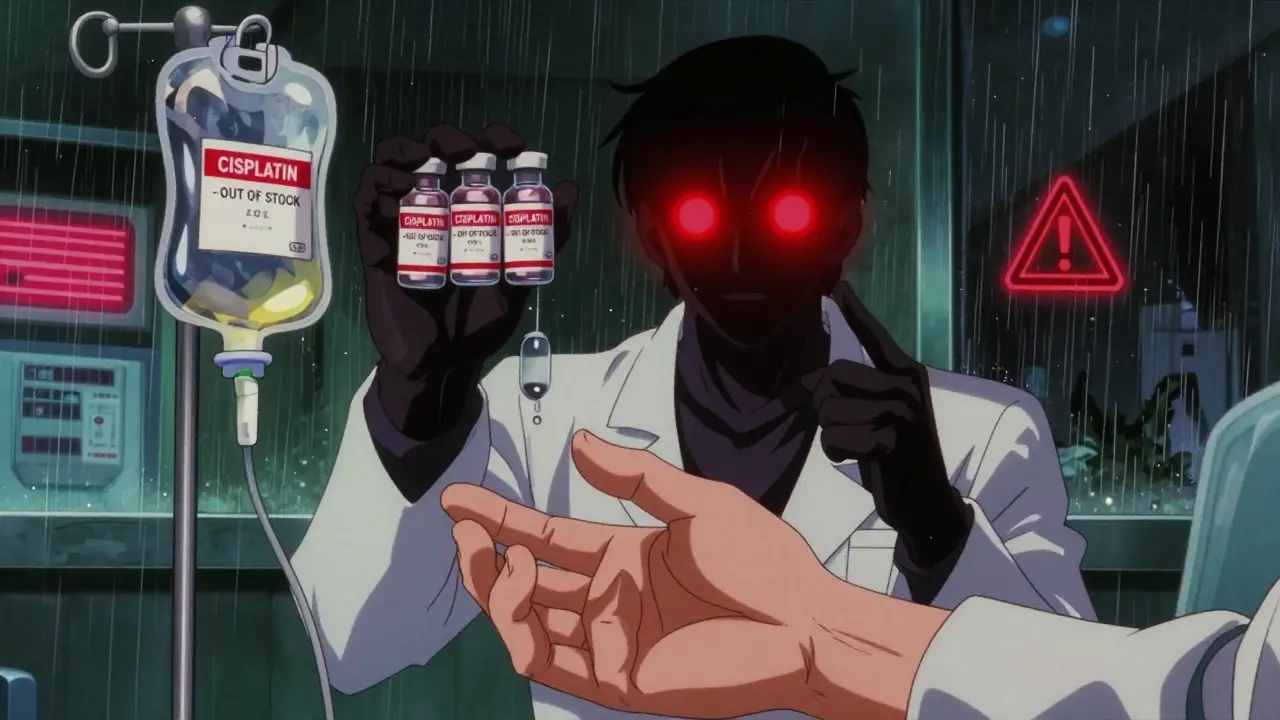
The Human Cost: Delays, Dilemmas, and Distress
Behind every shortage statistic is a real person. An elderly patient with sepsis waiting for antibiotics. A child needing IV fluids because they can’t keep anything down. A cancer patient whose treatment is delayed because the only available drug has different side effects. Seventy-eight percent of hospital pharmacists say shortages have directly caused treatment delays for critically ill patients in the past year. Nearly 70% report being forced to use less effective or more toxic alternatives. That’s not just a clinical compromise-it’s an ethical burden. A hospital pharmacist on Reddit shared how, after three straight weeks without normal saline, they started using oral rehydration for post-op patients. "Never thought I’d see the day," they wrote. That’s not innovation. That’s desperation. And it’s getting worse. Hospital staff now spend an average of 11.7 hours per week just trying to find substitutes, track inventory, and coordinate with other facilities. That’s more than a full workday each week spent on crisis management instead of patient care.Why the System Keeps Failing
You’d think with all the attention, something would change. But the fixes keep falling short. The FDA can’t force manufacturers to make more drugs. They can only request notifications-and even then, only 14% of reported shortages are resolved quickly. The Consolidated Appropriations Act of 2023 required earlier warnings, but the Government Accountability Office found it cut shortage duration by just 7%. The Biden administration pledged $1.2 billion in 2024 to rebuild domestic manufacturing. That sounds promising. But experts say it’ll take 3 to 5 years to see results. Meanwhile, the problem grows. The market is also dangerously concentrated. Just three companies control 65% of the supply for basic injectables like sodium chloride and potassium chloride. That means if one fails, the whole system stumbles. And with only 12% of manufacturers using modern continuous manufacturing technology-something that could make production faster and more reliable-there’s little innovation to offset the risk.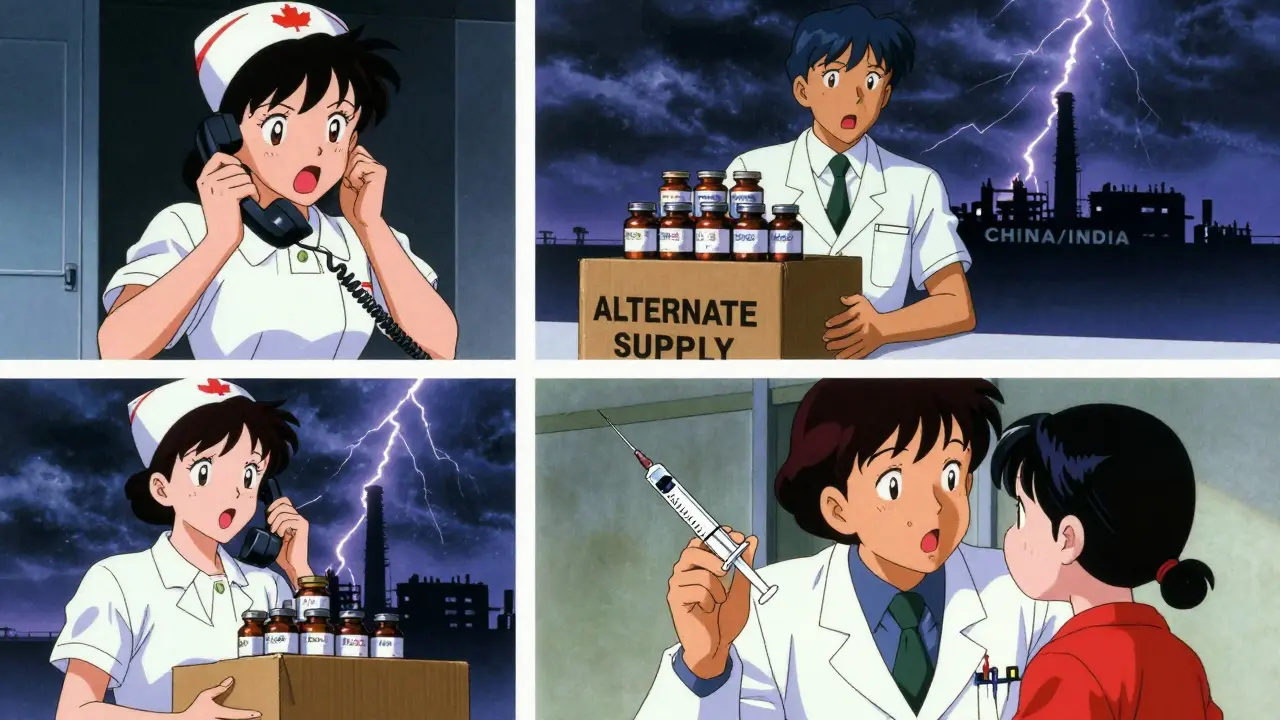



Comments
Mike Rengifo
December 18, 2025This is the quiet crisis no one talks about. I work in a small ER, and we’ve run out of normal saline twice this month. We used Gatorade. Not a joke. Just... sad.
Kevin Motta Top
December 20, 2025India and China make most of our injectables? No surprise. We outsourced everything for cheap and now we’re paying with lives.
Alisa Silvia Bila
December 21, 2025I’ve seen nurses cry over a missing vial of norepinephrine. It’s not just logistics-it’s moral injury.
Allison Pannabekcer
December 22, 2025I get why manufacturers cut corners-margins are razor-thin. But we’re not just talking about profits here. We’re talking about people in ICU beds who can’t breathe because the drug they need isn’t there. We need to pay more for these drugs, even if it means higher insurance premiums. Lives > profits, always.
Dikshita Mehta
December 23, 2025In India, we have a lot of injectable manufacturers, but quality control is inconsistent. FDA inspections aren’t just bureaucracy-they’re necessary. The real issue is the lack of investment in modern continuous manufacturing. It’s cheaper long-term, safer, and faster. Why aren’t we pushing this harder?
Meenakshi Jaiswal
December 25, 2025I’ve helped set up emergency supply chains in rural hospitals here. One trick: build local partnerships with compounding pharmacies. They can make small batches of saline or potassium chloride if they have the right licenses. It’s not perfect, but it buys time. Hospitals need to fund these local efforts-not wait for federal grants.
Edington Renwick
December 26, 2025Oh here we go again. Another liberal crying about "lives over profits." You know what? If you want cheap drugs, you need cheap labor. China and India have both. We don’t. Stop pretending this is a moral failure. It’s a trade-off. And we chose the wrong side of it.
Marsha Jentzsch
December 27, 2025I’m so tired of this. I’ve had three family members in the hospital this year-ALL of them had delays because of missing drugs. One got a different chemo drug and got sepsis from the side effects. I’m not mad-I’m GUTTED. And now they want to talk about "policy changes"? We need action NOW. Not in 3-5 years. NOW.
Sarah McQuillan
December 28, 2025You know what’s really happening? We stopped making things here. We thought globalization was magic. Turns out, it’s just dependency. If we want real security, we need to bring manufacturing back. Tariffs on Chinese APIs? Yes. Subsidies for U.S. sterile plants? Absolutely. Stop being soft on this. We’re not a nation of consumers-we’re a nation of healers.
Moses Odumbe
December 28, 2025I work in pharma logistics. The real problem? No one tracks expiration dates well. We have 3 months’ worth of drugs sitting in warehouses that expire next month. But no one moves them because "what if we need them?" 😅 It’s a culture of hoarding, not planning. We need AI-driven inventory systems. Not more laws.
Takeysha Turnquest
December 30, 2025We’ve forgotten that medicine isn’t a product. It’s a covenant. Between doctor and patient. Between society and the sick. When we let profit dictate access to life-saving injections, we break that covenant. And then we wonder why people don’t trust the system.
Write a comment