
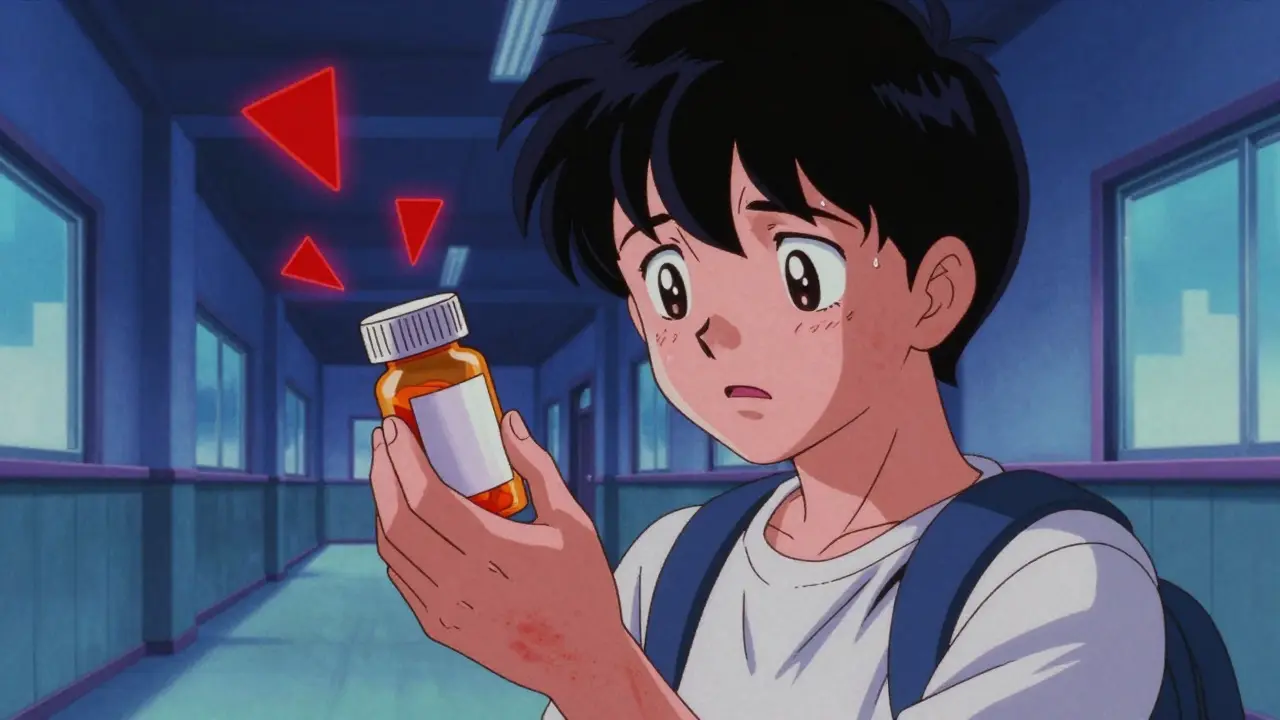
It happens more often than you think. You take your pill, and something feels off. Maybe the tablet looks different. Maybe you were given twice the dose. Or maybe your child came home from school with a rash after taking their ADHD medication. You’re not imagining it. And you’re not overreacting. Medication error reporting isn’t just paperwork-it’s how we stop the next person from getting hurt.
Every year in the U.S., about 1.3 million people are injured because of mistakes with prescription drugs. That’s not a typo. That’s real people-your neighbor, your parent, maybe even you. Most of these errors never get reported. Not because people don’t care, but because they don’t know how. Or they’re afraid. Or they’re told, “It’s probably nothing.” That’s the problem. If no one speaks up, the system never fixes itself.
What Counts as a Medication Error?
A medication error isn’t just a doctor writing the wrong dose. It’s anything that goes wrong between the time a drug is prescribed and when you take it. That includes:
- Getting the wrong drug (like receiving blood pressure medicine instead of diabetes medicine)
- Wrong dose (taking 50 mg instead of 5 mg)
- Wrong route (a pill meant to be swallowed given as an injection)
- Wrong timing (medication given hours late or too early)
- Wrong patient (your prescription given to someone else)
- Drug interaction you weren’t warned about
- Expired or mislabeled medication
- Missing allergy warning
Even if you didn’t get hurt, if you saw something that shouldn’t have happened-like a nurse handing you a pill without checking your name-it’s still worth reporting. These are called “near misses.” They’re the quiet warnings before something worse happens.
Where to Report: The 4 Main Channels
You don’t have to choose just one. The more places you report, the better the chance something changes. Here’s where to go:
1. Your Provider or Pharmacy First
Start with the person who gave you the medication. Call your doctor’s office, clinic, or pharmacy. Say clearly: “I think there was a medication error.” Don’t apologize. Don’t soften it. Just state the facts.
Be ready with details:
- Medication name and strength (write it down-don’t rely on memory)
- When you took it
- What happened after (symptoms, changes in behavior, rash, dizziness, nausea)
- Who gave it to you (nurse, pharmacist, caregiver)
- Any labels or packaging you still have
Ask for a written response. If they dismiss you, ask to speak to a supervisor. If they say, “It’s not a big deal,” say, “I’m reporting this because I want to make sure no one else gets hurt.” That’s not aggressive-it’s responsible.
2. Report to the FDA’s MedWatch Program
This is the federal system for tracking dangerous drugs and errors. You don’t need to be a doctor to file. Anyone can. The FDA gets about 140,000 reports a year-but experts say less than 1% of actual errors are reported. Your report matters.
The new online form takes less than 10 minutes. Go to fda.gov/medwatch and click “Voluntary Reporting.” You’ll need:
- Your name and contact info (you can report anonymously if you prefer)
- Medication name, lot number, and expiration date
- How you were injured or what went wrong
- Any medical records you have (you can upload photos of labels or symptoms)
Pro tip: If you’re reporting a school medication error, include the school name and staff involved. The FDA shares these reports with state health departments.
3. Use the Institute for Safe Medication Practices (ISMP)
ISMP is a nonprofit that works directly with hospitals and pharmacies to fix problems. They don’t punish individuals-they fix systems. Their reporting form is detailed, but they respond to every report with safety tips.
They’ve helped stop over 200 dangerous drug mix-ups since 1991. Their reports lead to national alerts-like when they caught a common insulin labeling mistake that led to 11 deaths in one year. You can report at ismp.org.
4. School-Based Reporting (For Parents)
If your child was given the wrong medicine at school, you have rights. In 48 states, schools are required to report medication errors to the district and state health department. You should get a written incident report within 24 hours.
What to do:
- Request the school’s official incident report
- Ask for a copy of the medication log
- Ask what steps they’re taking to prevent it from happening again
- If they don’t respond, contact your state’s Department of Education
One Iowa parent reported her son got a double dose of seizure meds. The school didn’t follow up. She filed a MedWatch report. Three days later, the drug manufacturer issued a recall for that batch.
What to Do Right After You Notice an Error
Don’t wait. Here’s your immediate action plan:
- Stop taking the medication if it’s unsafe. Call poison control (1-800-222-1222) if you’re unsure.
- Save everything: pill bottles, packaging, receipts, prescriptions. Don’t throw them out.
- Take photos: of the medication label, any physical reaction (rash, swelling), and your symptoms.
- Write down what happened: time, symptoms, how you felt. Keep a daily log for a week.
- Request your medical records. Under HIPAA, you’re entitled to them within 30 days. If they delay, file a complaint with HHS.
One man in Ohio noticed his blood thinner dose changed without warning. He saved the bottle, took a photo of the label, and logged his heart palpitations. He reported it to his doctor, the pharmacy, and MedWatch. The pharmacy admitted they’d misread the prescription-and changed their verification process for all high-risk meds.
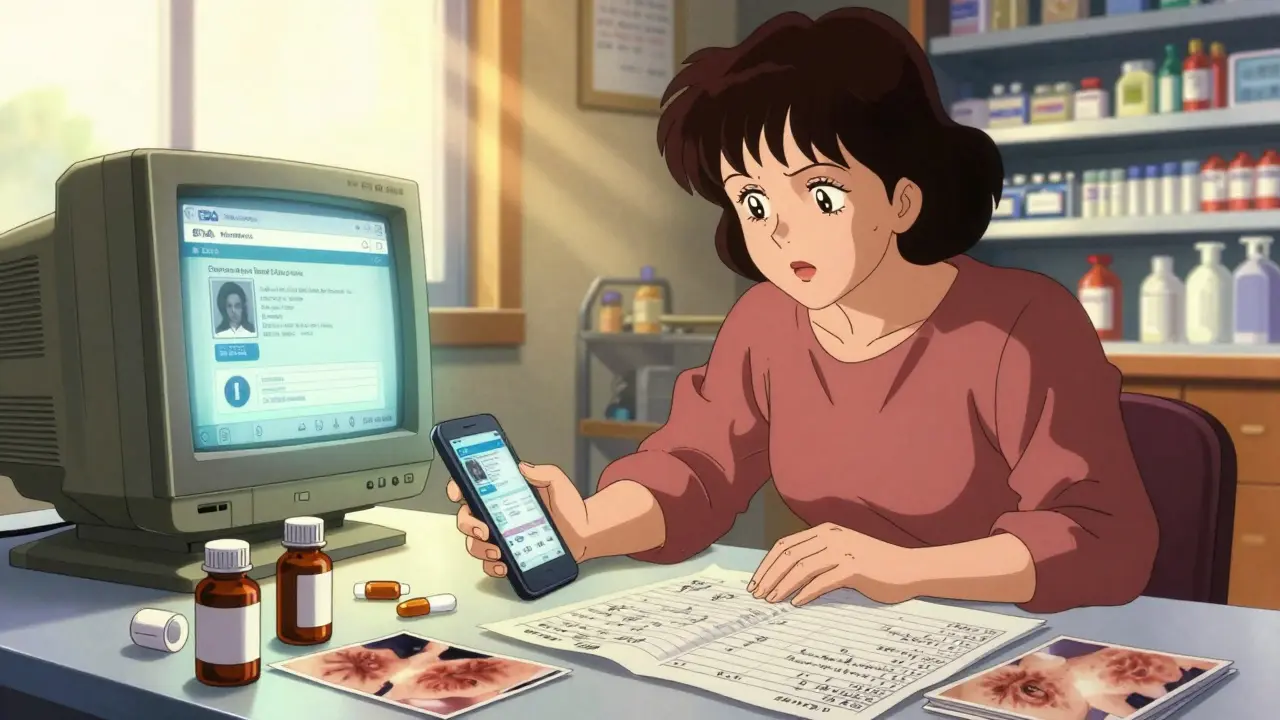
Why People Don’t Report (And Why You Should Anyway)
Most people stay silent because:
- They’re afraid of being blamed
- They think it’s “not their place”
- They’re told, “It won’t make a difference”
- They don’t know how
Here’s the truth: 90% of medication errors come from broken systems-not bad people. A nurse rushing. A computer glitch. A confusing label. Blaming the individual doesn’t fix it. Reporting does.
Studies show hospitals with non-punitive reporting cultures see 300-400% more error reports. That’s not because more errors happen. It’s because people feel safe speaking up. And when they do, similar errors drop by up to 75%.
One nurse told me: “I used to hide my mistakes. Then I reported one-and the hospital installed barcode scanning for all meds. No one’s made that mistake since.”
What Happens After You Report?
Don’t expect a phone call the next day. But here’s what usually happens:
- Internal report: Your provider investigates. They may change their process, retrain staff, or update their system.
- MedWatch: The FDA reviews your report. If they see a pattern (say, 10 people reporting the same bad batch), they issue a recall or safety alert.
- ISMP: They publish your story (anonymously) in their safety bulletin. Pharmacies and hospitals across the country read it.
- Schools: Districts are required to review and document prevention steps. If they don’t, you can escalate to your state’s education board.
Only 28% of MedWatch reports get a direct reply. But if you report through your provider, the acknowledgment rate jumps to 89%. So start there.
Common Pitfalls and How to Avoid Them
Here’s what goes wrong-and how to fix it:
- Pitfall: You’re told, “It was a one-time mistake.” Fix: Ask, “How many other people have reported this?” If they don’t know, push for data.
- Pitfall: You lose the medication bottle. Fix: Take photos of labels immediately. Save the receipt.
- Pitfall: Your doctor won’t return your call. Fix: Go to the office in person. Ask for the patient safety officer.
- Pitfall: You’re afraid of being labeled a “complainer.” Fix: Say: “I’m not complaining-I’m helping you prevent harm.”
And if you’re still unsure? Report it anyway. You’re not being dramatic. You’re being a patient advocate.
Final Thought: Your Voice Changes Systems
Medication errors aren’t inevitable. They’re preventable. But they only get fixed when someone speaks up. You don’t need to be a doctor. You don’t need to be angry. You just need to be clear.
That pill bottle in your cabinet? The strange symptom you ignored? The nurse who didn’t check your ID? Those aren’t just your problems. They’re system problems. And you’re the only one who can fix them-for yourself, and for everyone who comes after you.
Report it. Today. Before you forget.
What should I do if I think I was given the wrong medication?
Stop taking it immediately if you feel unwell. Call poison control at 1-800-222-1222. Save the medication bottle and packaging. Take photos of the label and any symptoms. Contact your provider and ask for a written response. Then file a report with the FDA’s MedWatch program. Don’t wait-even if you feel fine now.
Can I report a medication error anonymously?
Yes. The FDA’s MedWatch program allows anonymous reporting. ISMP also accepts anonymous reports. However, if you provide your contact info, you’re more likely to receive a follow-up or safety alert related to your report. Your information is protected and won’t be shared with your provider unless you give permission.
How long do I have to report a medication error?
There’s no legal deadline for patients. But the sooner you report, the better. Internal hospital reports usually require submission within 24-72 hours. For the FDA, reports should be filed as soon as possible. Even reports filed months later can help identify patterns-especially if multiple people report the same issue.
Will reporting a medication error get me or my provider in trouble?
Reporting is not about blame. The goal is to fix the system, not punish individuals. In fact, most hospitals now use “just culture” policies that protect staff who report errors in good faith. If you report through MedWatch or ISMP, your provider won’t be notified unless you choose to share your report with them. The focus is on preventing future harm, not assigning fault.
What if my provider ignores my report?
If your provider doesn’t respond within 5 business days, escalate. Ask to speak to the patient safety officer, risk manager, or hospital administrator. If you’re still ignored, file a report with the FDA’s MedWatch program and your state’s department of health. You can also file a complaint with the Joint Commission or your state medical board. Your report still matters-even if they don’t respond.
Can I report a medication error from a school or nursing home?
Yes. Schools and nursing homes are required to report medication errors internally. Parents and family members can and should report directly to the FDA’s MedWatch program and ISMP. Include the facility name, staff involved, and any documentation you have. These reports help trigger state investigations and system-wide changes.
Do I need medical records to report a medication error?
You don’t need them to file a report, but they help. Request your medical records within 72 hours of the incident. Under HIPAA, providers must give them to you within 30 days. If they delay, file a complaint with HHS. Photos of medication labels, symptom logs, and pharmacy receipts are just as valuable as medical records.
How do I know if my report made a difference?
Sometimes you’ll get a direct response. Other times, you’ll see a recall, safety alert, or new policy change months later. ISMP publishes monthly safety alerts based on reports. The FDA posts drug recalls on its website. If you reported a specific batch or labeling issue, check these sources. Even if you never hear back, your report is added to a national database that helps prevent future errors.



Comments
lisa Bajram
January 10, 2026OMG YES. I once got my kid's ADHD meds mixed up with his sister's asthma inhaler-thank god I caught it before he used it. I reported it to the pharmacy, the school, AND MedWatch. Three weeks later, the school changed their whole med-check system. You think you're just being annoying? Nah. You're the reason someone else doesn't get hurt. 🙌
Ted Conerly
January 10, 2026This is exactly why we need more patient advocates. I work in a hospital pharmacy and I’ve seen firsthand how one report can trigger a chain reaction-barcode scans, double-check protocols, staff training. Don’t wait for someone to die before you speak up. If you notice something off, say it. Loudly. And document everything. Your vigilance saves lives.
Michael Marchio
January 11, 2026Let’s be real-most people who report these things are either hysterical or have a personal vendetta. I’ve seen it. The system isn’t broken, it’s just overburdened. You don’t need to file a report every time a pill looks slightly different. If you didn’t have a reaction, why are you causing a scene? There’s a difference between being cautious and being a nuisance. The FDA gets flooded with nonsense reports that waste resources. Maybe stop reporting until you have actual proof of harm?
Ashlee Montgomery
January 12, 2026I wonder if the fear of being labeled a 'complainer' is rooted in how we’ve been conditioned to avoid conflict. What if reporting isn’t about fixing the system but about reclaiming agency over your own body? The fact that we even have to ask 'is this worth reporting?' says more about the culture than the errors themselves.
Paul Bear
January 12, 2026Technically, under FDA guidelines, voluntary MedWatch reports are classified as 'spontaneous adverse event reports' and are not subject to clinical validation. That means the vast majority lack sufficient clinical detail to be actionable. Your anecdotal report of a 'different-looking pill' without lab verification or pharmacokinetic data contributes negligible value to the national database. If you're going to report, at least include the NDC, lot number, and a signed HIPAA release for medical records. Otherwise, you're just noise.
Jaqueline santos bau
January 13, 2026I reported my mom’s wrong blood pressure med and the pharmacy said ‘it’s just a typo.’ Then my dad had a stroke. I’m not mad. I’m just… done. I’m not gonna let some nurse’s ‘typo’ kill someone else’s parent. I filed with MedWatch, ISMP, the state board, and posted it on Facebook. Now every pharmacy in my county has to show proof of double-checking high-risk meds. If you’re scared? Good. Be scared. But report anyway.
Kunal Majumder
January 15, 2026Bro, in India we don’t even get proper labels half the time. I once gave my aunt her diabetes pill and it was labeled ‘anti-seizure.’ No one blinked. But I called the pharmacy, took pics, and sent it to the Indian drug regulator. They pulled the batch. You think you’re alone? You’re not. Speak up. Even if no one listens. Someone will.
Ritwik Bose
January 16, 2026I appreciate the clarity in this post. As someone who works in healthcare compliance, I can confirm that structured reporting channels like ISMP and MedWatch are critical. I encourage everyone to report-even if you feel uncertain. Your contribution helps build a safer ecosystem. Thank you for raising awareness. 🙏
Aurora Memo
January 16, 2026I used to think reporting was pointless until my sister got the wrong insulin dose. We didn’t know what to do. Then we found this guide. We reported. No one apologized. But six months later, the hospital changed their labeling system. I don’t need a thank you. I just need no one else to go through that. So yes. Report.
chandra tan
January 17, 2026Just took my kid’s ADHD med. Looks different. Called the pharmacy. They said ‘oh that’s a generic.’ I said ‘but the shape and color changed.’ They paused. Then said ‘hold on.’ Turned out the batch was mislabeled. They pulled 300 others. I didn’t cause a panic. I just asked. That’s all it takes.
Write a comment