
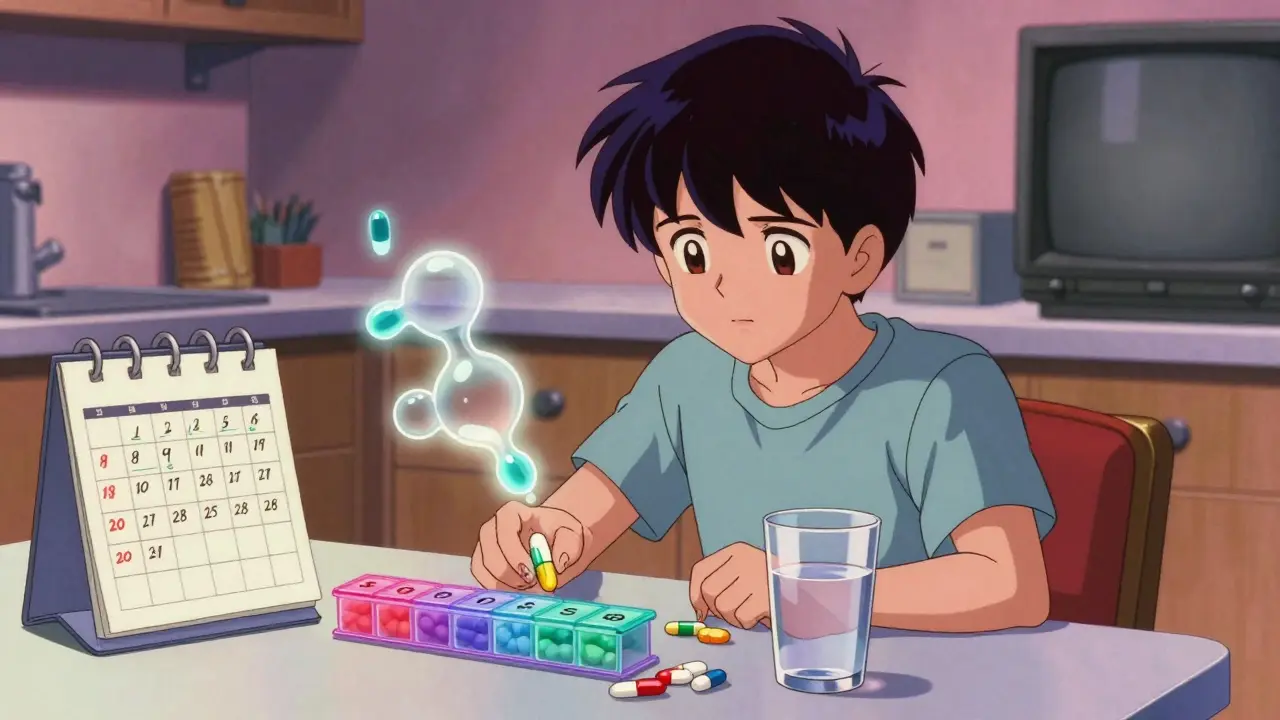
More than half of new cancer drugs today come as pills you take at home. That sounds easier than sitting in a clinic for hours getting IV chemo. But oral chemotherapy isn’t just convenience-it’s a whole new way of managing cancer, and it comes with risks most people don’t see coming.
Why Oral Chemo Is Different
Oral chemotherapy works the same way as IV chemo: it kills fast-growing cancer cells. But instead of a nurse giving it to you, you swallow it yourself. That means you’re in charge of every dose, every day. No one’s watching. No one’s there to catch a mistake.
Drugs like capecitabine, imatinib, and lenalidomide are now standard for breast, colon, leukemia, and other cancers. Between 2018 and 2023, over 60% of new FDA-approved cancer drugs were oral. By 2025, nearly half of all cancer drug spending will be on pills. That’s not a trend-it’s the new normal.
But here’s the catch: while IV chemo has 85-95% adherence, oral chemo? Only 55-75% of patients take it right. That’s like leaving one out of every three treatments behind. And it’s not because people are lazy. It’s because the system isn’t built for this.
How Oral Chemo Works-And Why It Can Go Wrong
Not all oral chemo is the same. There are four main types:
- Alkylating agents (like cyclophosphamide): damage DNA directly. They cause hair loss, nausea, and low blood counts.
- Antimetabolites (like capecitabine): trick cancer cells into using fake building blocks. They cause hand-foot syndrome (red, painful palms and soles), diarrhea, and mouth sores.
- Topoisomerase inhibitors (like topotecan): stop cancer cells from copying DNA. They often cause low white blood cells and fatigue.
- Mitotic inhibitors (like vinca alkaloids): freeze cell division. They can cause nerve damage and low blood counts.
Targeted drugs-like dasatinib or abemaciclib-are even trickier. They hit specific cancer mutations, but they also mess with healthy cells. That’s why some cause high blood pressure, skin rashes, or liver damage. And because they’re new, we’re still learning how they interact with other meds.
Here’s the scary part: if you take an antacid with capecitabine, your body absorbs 30-50% less of the drug. If you take ketoconazole (a common antifungal) with lapatinib, your chemo levels spike by over 300%. That’s not a small mistake. That’s a life-threatening one.
Side Effects You Can’t Ignore
Side effects from oral chemo aren’t always obvious at first. Some come on slow. Others hit hard fast.
Myelosuppression-low blood counts-is the most common. For drugs like lenalidomide or dasatinib, 60-78% of patients see their white blood cells drop in the first six weeks. That means fever, infections, or even sepsis if you don’t catch it. That’s why weekly blood tests aren’t optional-they’re lifesaving.
Hand-foot syndrome from capecitabine starts as tingling or redness. If you ignore it, your skin cracks, bleeds, and you can’t walk. Diarrhea isn’t just annoying-it can lead to dehydration and kidney failure. Mucositis (mouth sores) makes eating and talking painful. And if you’re not drinking enough, you can end up in the hospital.
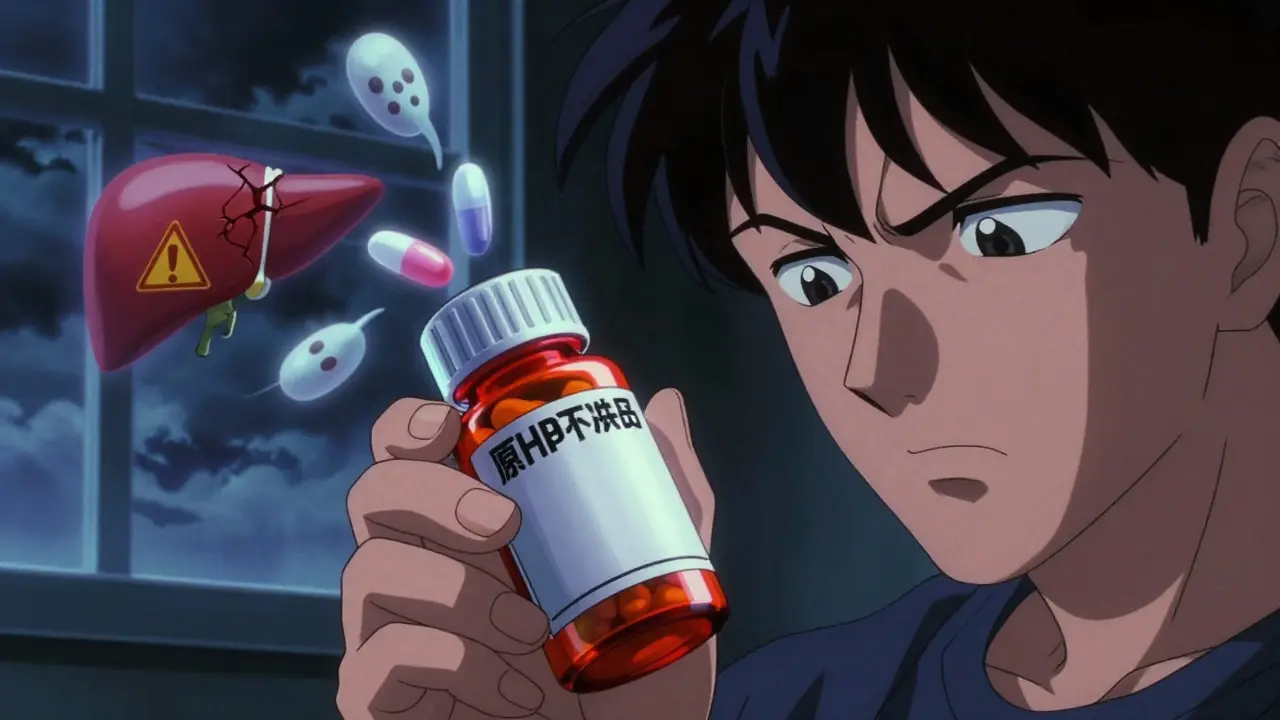
Liver damage is another silent threat. Fifteen to 25% of patients on oral chemo develop elevated liver enzymes. No symptoms. No pain. Just a blood test that says, “Something’s wrong.” That’s why baseline and monthly liver tests are required by the FDA for almost all oral chemo drugs.
And don’t forget the new ones: VEGF inhibitors cause high blood pressure in up to 35% of patients. EGFR inhibitors give severe rashes to 75-90%. These aren’t side effects you can “tough out.” They need immediate attention.
Why People Miss Doses (And How to Fix It)
People miss doses for real reasons:
- They forget. A twice-daily schedule for 14 days, then 7 days off? That’s confusing.
- They feel sick and think skipping a dose will help. It won’t. It just lets cancer grow.
- They’re afraid of side effects and cut the dose themselves.
- They run out of pills and don’t know how to refill.
- They’re taking other meds-vitamins, antibiotics, heart pills-and don’t realize they’re interfering.
Studies show that patients who get structured support have 82% adherence. Those who don’t? Only 58%. That 24% gap? It’s the difference between treatment working and cancer coming back.
Here’s what works:
- Pill organizers with labeled compartments for each day and time.
- Visual calendars you mark off as you take each dose.
- Teach-back: your nurse asks you to explain how to take your meds in your own words. If you can’t, they reteach it.
- Follow-up calls on day 3, day 7, and day 14-before problems get bad.
- Pharmacy tracking: if you don’t refill on time, your pharmacist calls you.
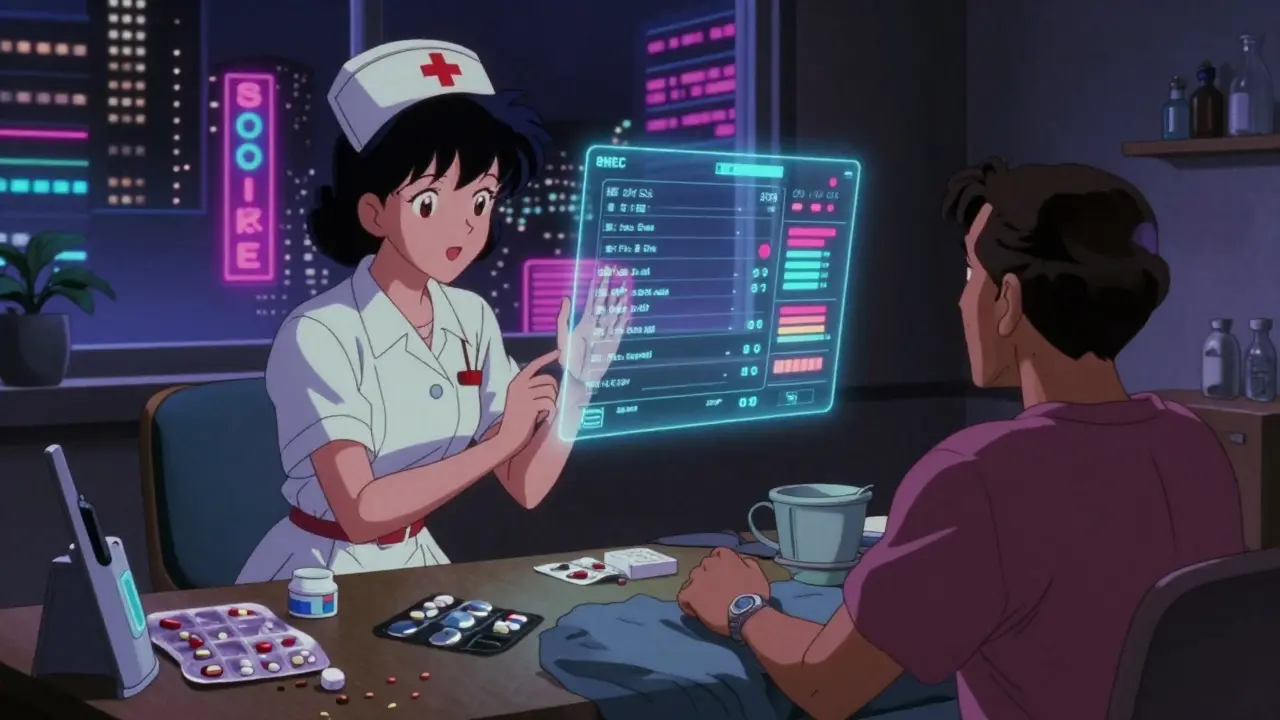
- 24/7 access to a nurse or pharmacist who can answer questions immediately.
One patient took her pills correctly for weeks-until she started taking omeprazole for heartburn. She didn’t know it blocked her chemo. She got sicker. Her oncologist didn’t find out until her bloodwork showed her drug levels were dangerously low. That’s why you need someone checking in.
Storage, Disposal, and Safety Rules
You wouldn’t leave antibiotics in the bathroom. Oral chemo is even more sensitive.
- Store most pills at room temperature (68-77°F), away from humidity and light. Don’t keep them in the bathroom or car.
- Never crush or split pills unless your doctor says it’s safe. Some are coated to release slowly. Crushing them can cause overdose.
- Dispose used pills in FDA-approved medication disposal bags. Don’t flush them. Don’t throw them in the trash. These drugs are toxic to kids, pets, and the environment.
- Wear gloves when handling pills. Wash your hands after. If you spill, clean it up with paper towels and dispose of them as hazardous waste.
- Keep away from children and pets. Even one pill can be deadly.
And if you’re pregnant or planning to be? Talk to your doctor. Oral chemo can harm a fetus. Contraception is required during treatment and for months after.
What to Do When Things Go Wrong
If you miss a dose:
- Don’t double up.
- Call your oncology team immediately.
- Follow their instructions. Some drugs you can take late. Others you can’t.
If you have severe side effects:
- Fever over 100.4°F? Call now.
- Uncontrollable vomiting or diarrhea? Call now.
- Severe rash, swelling, or trouble breathing? Go to the ER.
- Unexplained bruising or bleeding? Call your doctor.
Don’t wait. Don’t Google it. Don’t assume it’s “just a side effect.” With oral chemo, timing saves lives.
The Bottom Line
Oral chemotherapy gives you back your schedule. But it doesn’t give you back your safety net. The system is designed around IV chemo-nurses, clinics, supervision. Oral chemo needs a new system: education, tracking, communication, and support.
It’s not just about taking a pill. It’s about understanding how it works, what it interacts with, how to store it, how to handle side effects, and when to call for help. That’s not something you learn in five minutes at the pharmacy.
If you’re on oral chemo, demand a full education session. Ask for a pharmacist to review your meds. Request a pill organizer and a follow-up plan. Don’t be afraid to ask the same question twice. Your life depends on getting this right.
Because in the end, oral chemotherapy isn’t easier. It’s just different. And if you’re not prepared, it can be dangerous.


Comments
Mark Alan
January 27, 2026OMG THIS IS SO TRUE 😭 I took my chemo pills and then had a glass of grapefruit juice like a dumbass… woke up in the ER. My oncologist looked at me like I just set my dog on fire. Don’t be me. 🤦♂️
Sue Latham
January 29, 2026Honestly, it’s wild that we treat oral chemo like it’s just Advil. I mean, if you took a prescription antibiotic wrong, you’d get a lecture. But chemo? ‘Oh, you forgot a pill? No biggie.’ Nope. This isn’t your cousin’s kombucha fermentation experiment.
Colin Pierce
January 30, 2026I’m a pharmacist and I see this all the time. Patients will take omeprazole with capecitabine because ‘it helps with stomach stuff’ - and then wonder why their tumor’s growing. The interactions are *wild*. I always print out a cheat sheet for my patients: meds to avoid, when to call, what to watch for. Simple, but life-saving.
Amber Daugs
February 1, 2026People think they’re ‘in control’ taking pills at home. Nope. You’re just a lab rat with a pill organizer. The system doesn’t care if you’re confused, tired, or scared. It just wants you to swallow the next one. And if you don’t? Well, that’s your fault, right?
Ambrose Curtis
February 2, 2026i had this happen to me. took my lenalidomide for 3 weeks straight. felt fine. then got a cold, took some zyrtec and a random OTC cold med from the shelf. next thing i know, my WBCs are in the toilet. doc said the cold med blocked the metabolism and made my chemo levels spike. i was lucky. others aren't. dont trust random meds. ever.
Linda O'neil
February 3, 2026You got this. Seriously. I’ve been on oral chemo for 2 years. The first month was hell - I cried every time I opened the pill bottle. But I started using a color-coded calendar and my nurse called me every Thursday. Now I’m in remission. It’s hard, but you’re not alone. Keep going.
James Dwyer
February 4, 2026This is the most important post I’ve read all year. No fluff. No hype. Just facts. If you’re on oral chemo, print this out. Tape it to your fridge. Show it to your family. This isn’t just medical advice - it’s survival.
Chris Urdilas
February 6, 2026So let me get this straight - we’re giving people cancer drugs that can kill them if they take them with a TUMS, but we’re not training pharmacists to warn them? And we wonder why people die? Brilliant. Just brilliant.
SRI GUNTORO
February 6, 2026In India, we don’t even have access to these pills. My cousin died because they gave her IV chemo in a dirty clinic with no blood tests. You people complain about forgetting pills? Be grateful you have pills at all.
Kevin Kennett
February 7, 2026I’ve been a caregiver for my mom through this. The hardest part? No one tells you how lonely it feels. You’re alone with the pills, the side effects, the fear. But you’re not. Talk to someone. Join a group. Ask for help. It’s not weakness - it’s strategy.
Jess Bevis
February 7, 2026Store chemo in the fridge? Nope. Room temp. Avoid the bathroom. Don’t crush. Don’t touch. This isn’t a suggestion. It’s a rule. One pill can kill a dog. Seriously.
Rose Palmer
February 8, 2026It is imperative that healthcare institutions implement structured adherence protocols for oral chemotherapeutic agents. Without standardized patient education, pharmacist involvement, and longitudinal monitoring, the therapeutic efficacy of these regimens is fundamentally compromised. The data is unequivocal.
Howard Esakov
February 9, 2026I mean… if you can’t handle taking a pill on time, maybe you shouldn’t be on chemo? 😅 I’m just saying. This isn’t a hobby. It’s a life-or-death schedule. If you need a reminder app, fine. But don’t blame the system when you’re the one who skipped the dose.
Write a comment